Modern artificial intelligence is incredibly hungry. The massive neural networks that power everything from language translation to medical imaging require vast amounts of high-quality, labeled data to learn effectively. For years, the mantra has been "more data is better."
Every data science team has experienced it. A brilliant machine learning model is developed in a Jupyter notebook. It performs with stunning accuracy, the charts look fantastic, and everyone is excited. But then comes the hard part: getting that model out of the lab and into the real world, where it can provide actual business value.
In the world of artificial intelligence, Transformer models are the undisputed heavyweight champions. Architectures like GPT and BERT have revolutionized natural language processing, enabling capabilities that seemed like science fiction just a decade ago. But this incredible power comes at a cost.
Robotic Process Automation (RPA) has quietly become one of the most impactful technologies in the modern enterprise. These software "bots" are the digital workhorses of countless organizations, diligently performing the repetitive, rule-based tasks that humans find tedious.
The world of artificial intelligence is currently experiencing a Cambrian explosion of Large Language Models. Every few weeks, it seems, a new model is released from tech giants and startups alike, each accompanied by bold claims of being faster, smarter, and more capable than the last.
We’ve all heard the stories. An AI model denies someone a loan, flags a transaction as fraudulent, or makes a critical medical suggestion, but no one can quite figure out why. These powerful systems, often built on deep neural networks, operate like impenetrable black boxes.
Picture a classroom. For most of us, the image that springs to mind hasn't changed much in a century. A single teacher stands at the front, addressing rows of students. Each student is unique – with different strengths, weaknesses, and learning speeds – but the lesson is, by necessity, one-size-fits-all.
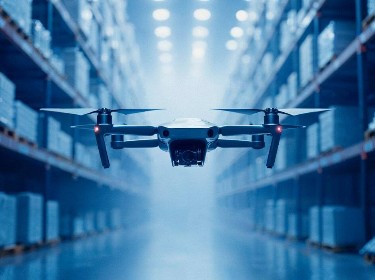
In the intricate dance of global commerce, logistics is the choreographer. It’s the silent, tireless force that ensures your late-night online purchase arrives at your doorstep and that grocery store shelves are always stocked.